Hard drive data recovery
Types of failure in a hard drive
When you send your hard drive to us, our engineers inspect the hard drive to find the cause of the failure. Generally speaking, there are two primary forms of failure in a hard drive: logical and physical. Logical failures are usually the result of file system corruption, which can happen when your computer shuts off after a power outage, for example. Physical failures can be either mechanical or electronic. During an evaluation, our engineers investigate the cause of the failure and determine the safest and most effective course of action to retrieve your data based on the type of failure.
Logical failures
If the drive suffers from a logical failure, an evaluation of the file system will be performed to try and repair the corruption. If this doesn’t work, then the engineer performs a low-level scan, searching all sectors of the hard drive for files.
If our engineers locate the files, they can then be copied to another hard drive or flash drive. Logical recoveries tend to be simpler, but can take up an enormous amount of time, especially if the drive is also on the verge of physical failure.
Physical failures
If the problem is a physical failure, recovery can be more difficult. Again, there are two categories of physical failure, mechanical and electrical. In either case, replacement parts may be required in order to regain enough drive function to access the data. Parts replacement must be performed in a cleanroom, and our engineers, through years of practice and study, can adeptly handle any hard drive repair to successfully recover your data. In fact, our engineers are a lot like digital surgeons!
Cleanroom
For many data recovery tasks, an extremely clean environment is required to prevent irreversible damage to the data storage device, rendering your data irretrievable. Like any reputable data recovery company, Northwest Data Recovery has a Class 100 cleanroom. A Class 100 cleanroom is designed to maintain exceptional air purity, containing less than 100 airborne particles larger than 0.5 microns in each cubic foot of air. Such an environment is vital for protecting the sensitive internal components of a hard drive. If a hard drive requires invasive procedures to access your data, our engineers will perform these procedures in our Class 100 cleanroom to ensure no potential contaminants affect the recovery process.
Call us for a consultation.
If you have important data on your hard drive, call us today. We use the latest cutting-edge tools and techniques to ensure you get your data back as quickly and as safely as possible.
Latest Articles
Read these other articles from our blog to learn more.
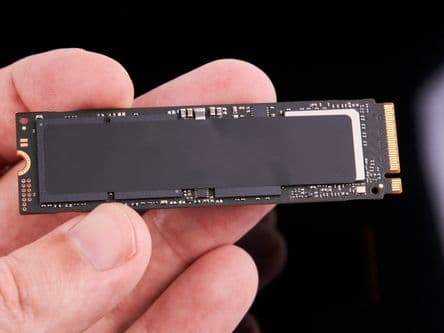
Should I Upgrade to an SSD?
People like solid-state drives (SSD) because they're fast and reliable. But they come with one big caveat.

Why Paying for Data Recovery Is Worth Every Penny
Downtime is minimized and you get experience, security, and peace of mind.
Seagate Fined $300 Million for Selling Hard Drives to China
The US Dept. of Commerce regulations restricted sales to certain Chinese companies in 2020. Seagate continued to sell to them anyway.
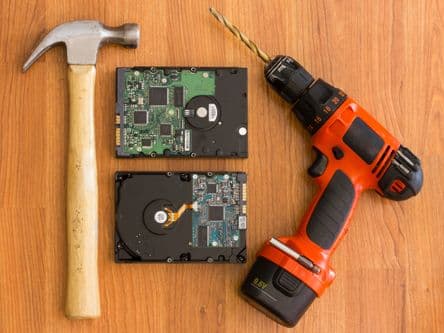
Three Big Mistakes People Make Trying to Recover Data
Whatever you do, don't do these things.

How to Back Up Data
Backing up your data is the best way to not ever require our services.

How Long Does It Take to Recover Data?
How long it takes to get your information back can vary — it all depends on what's wrong with the media.